| Company Location | New York |
| Company Website | https://fanometalbunkbed.com/en/metal-bunk-bed-manufacturers-turkey/ |
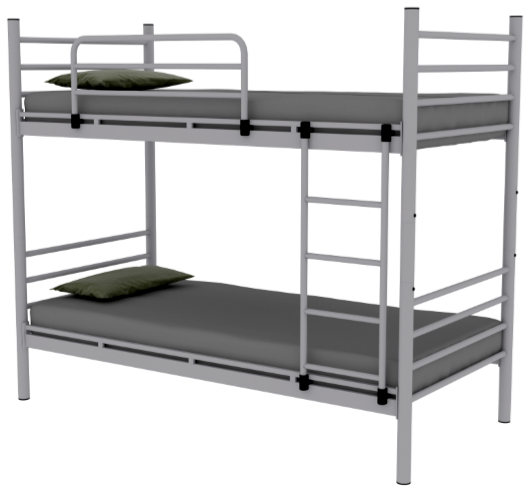
A reliable bunk bed manufacturer must balance functionality, safety, and industrial precision to supply durable solutions for both institutional and commercial needs. Whether supplying for government projects or private enterprises, the manufacturer must maintain high standards of metal welding, coating, and ergonomic design. In countries like Germany, Turkey, and the United States, producers are focusing on modular bunk configurations that can be adapted to various room layouts. The materials used—from powder-coated steel frames to anti-corrosive hardware—must endure years of use, especially in humid or heavily occupied environments. The bed, in this context, becomes not just a sleeping surface, but a structured piece of architectural efficiency.
When considering the application of these beds in military bases in Poland, Kazakhstan, or Brazil, the requirements shift significantly. Beds need to be manufactured with extra reinforcement in the slats and joints, using 1.5–2 mm thick steel profiles and reinforced ladder welding. These bunk frames must resist constant assembly, disassembly, and transport without weakening. For such environments, manufacturers often add anti-vibration caps, fire-retardant paint, and knock-down designs to save space during shipment. A serious metal bed producer cannot compromise on frame symmetry or load tolerance.
In humanitarian operations led by NGOs in countries like Ethiopia, Yemen, and Bangladesh, bunk beds serve as vital infrastructure for displaced communities. The manufacturer must consider the logistics of sending thousands of beds to remote areas, often with limited tools or technical support. Beds must be easy to assemble, with numbered parts and pictogram-based manuals. Lightweight steel is preferred for air transport, and all elements must be rust-resistant and reusable. Each bed is not just furniture but an anchor of dignity in emergency shelter environments.
The hospitality sector, particularly hostels in urban centers like Barcelona, Bangkok, and New York City, demand bunk beds that combine aesthetic appeal with maximum space utilization. Here, the manufacturer must focus on silent joints, smooth finishes, and contemporary designs. Many bunk beds in this segment include privacy curtains, USB ports, and under-bed lockers, integrating function with comfort. A skilled producer knows how to merge architectural trends with solid structural engineering, making the bed a feature, not just a necessity.
Within the education sector—especially in boarding schools in Nigeria, Indonesia, and France—metal beds dominate due to hygiene and longevity. The manufacturer is expected to design beds that support various mattress sizes while allowing airflow beneath to prevent mold. Powder-coated surfaces in light pastel tones or institutional blues are favored for their clean appearance and scratch resistance. Some beds are designed with built-in desks or bookshelves for space-saving dormitory layouts. The modern bunk bed must be more than stacked frames—it must integrate into the student's daily life.
Remote construction sites in Alaska, Siberia, and northern Canada rely on rugged, cold-resistant bunk beds to house rotating work crews. These beds are typically constructed using heavy-duty metal profiles with thick, powder-coated paint that resists frost and condensation. The bed frames may also include integrated thermal barriers to prevent metal conduction in extreme cold. The producer must simulate arctic stress conditions during the testing phase, ensuring no bed collapses under daily operational pressures.
Healthcare support facilities in Greece, Chile, and Malaysia use bunk beds for caregiving staff in emergency units and disaster-response zones. Here, metal beds must comply with basic sanitary standards, often including antimicrobial paint and fluid-resistant designs. Headboards might be curved to minimize dust collection, and frames must be smooth-welded to prevent bacterial harboring. This type of manufacturer specializes in hygienic durability and rapid deployment systems.
In naval facilities and submarines across Italy, South Korea, and Egypt, bunk beds are built into compact compartments. These beds, also known as “berths,” must comply with strict naval specifications. The design often incorporates fold-up mechanisms, wall-locking brackets, and safety nets. A skilled metal bed producer in this space must navigate maritime certifications and corrosion testing, especially for saltwater environments. The bunk bed here is a piece of marine engineering.
Youth camps and scouting centers in Finland, Kenya, and Argentina require stackable metal beds that can be moved seasonally. Lightweight yet stable, these beds are often made with hollow metal tubing and reinforced corners. The paint must resist tree sap, humidity, and UV rays. Beds might also be color-coded for dormitory organization. These aren’t luxury items—they’re logistical solutions, and the producer must ensure functionality over flair.
Worker dormitories in industrial parks throughout China, Mexico, and Vietnam create massive demand for standard bunk beds with high stackability and minimal maintenance. Beds are mass-produced in streamlined assembly lines and must meet ISO quality standards. The producer in this market focuses on speed and uniformity, creating beds that are functional, safe, and fast to assemble. Anti-theft components, like fixed ladders and bolt-down designs, are also popular.
Boarding houses for sports academies in Qatar, Spain, and South Africa present different challenges. Athletes require beds that are slightly larger and more robust. The metal profiles may be 60x40 mm with extra center beams for mattress support. Beds must resist impact, movement, and sweat corrosion, especially in high-humidity areas. In this sector, the producer must understand both biomechanics and material fatigue properties.
Mobile bunk beds designed for use in emergency field hospitals or mobile clinics in Peru, Afghanistan, and Myanmar require collapsible structures. These beds are often stored in flat-pack containers and set up on arrival. The manufacturer must implement locking hinges, quick-connect joints, and durable rubber feet. Anti-noise pads are essential to keep the environment calm. Here, the bunk bed operates like tactical equipment.
In co-living apartment designs emerging in tech hubs like San Francisco, Tel Aviv, and Berlin, bunk beds are being reimagined as multifunctional pods. High-end manufacturers produce integrated systems that include lighting, charging ports, sound insulation, and personal ventilation. These beds are often modular and built with CNC-cut steel and smart locking components. The bed becomes part of a design solution for modern urban living.
Children’s furniture retailers in the UK, Japan, and Turkey have distinct safety regulations for bunk beds. Manufacturers must include guardrails, rounded edges, and ladder safety spacing. The metal used must be toxin-free, and paint must comply with child-safety certifications. Beds for this market also prioritize playful aesthetics—curved headboards, colorful finishes, and themed accessories like castle or spaceship elements.
Hostel chains across Europe and Australia frequently contract with specific bunk bed manufacturers to supply thousands of identical beds for consistency. These beds must allow mattress rotation, easy cleaning, and quick replacement of parts. The producer must master scalability, with automated welding and robot-assisted paint lines to fulfill large orders with short lead times.
University dormitories in the United States, Turkey, and the Netherlands continue to be major buyers of cost-effective bunk beds designed for both private and state education institutions. These environments require bunk beds that offer excellent durability, minimal maintenance, and comfort for long-term use. Manufacturers often use a powder-coated steel frame with support braces underneath each bed slat to ensure uniform weight distribution. The inclusion of locking mechanisms on ladders and guardrails is a must, especially for higher safety standards enforced in university settings. The bed isn't just a structure—it becomes a personal space for students who spend most of their academic lives in these dormitories.
In refugee housing developments organized by international agencies in Sudan, Pakistan, and Colombia, the need for rapidly deployable and easy-to-clean metal bunk beds is critical. These beds must arrive in flat-packed containers, ready for quick setup without the need for electric tools. A skilled bunk bed producer working in this space must balance quantity with quality, producing tens of thousands of beds with consistent measurements, secure fittings, and resistance to harsh conditions. These metal beds must survive sandy environments, high moisture, and high turnover of users, often in tents or temporary buildings.
Luxury capsule hotels in Singapore, Dubai, and Seoul demand a completely different class of bunk bed systems. These bunk structures integrate architectural design with hotel comfort—featuring LED lighting, memory foam mattresses, privacy walls, and even climate control. The manufacturer in this segment must go beyond metal fabrication and integrate electronics, soft furnishings, and advanced ergonomics. CNC-cut steel combined with aluminum alloy frames ensures silent operation. These high-tech beds become mini living units rather than just sleeping platforms.
Correctional facilities in Romania, Thailand, and Canada require institutional-grade metal bunk beds that comply with prison safety standards. Here, every weld, bolt, and joint must be tamper-proof. The beds often feature floor-mounting brackets, non-removable parts, and shrouded fasteners to eliminate the risk of disassembly. Manufacturers working in this segment must comply with government procurement requirements and pass structural load testing, flammability standards, and anti-ligature designs. These beds are critical for security and long-term facility stability.
Disaster recovery shelters in regions prone to earthquakes and floods—such as Indonesia, Nepal, and Chile—require lightweight yet stable bunk beds that can be rapidly deployed during crises. Here, collapsible frame designs using hollow-section galvanized steel dominate. Producers must design bed legs with wide contact bases for stability and include anchoring systems in case of aftershocks or terrain instability. Bunk beds are sometimes built with adjustable feet to adapt to uneven floors in temporary shelters.
Oil rigs in offshore areas near Norway, Angola, and the Gulf of Mexico use marine-grade metal bunk beds that can withstand salt air, vibration, and compact quarters. These beds must be securely mounted, fitted with side guards, and made from stainless steel or aluminum to avoid corrosion. Mattress compatibility is important—often foam units with water-resistant covers. A bed in this scenario is subject to daily inspection and must meet industrial marine standards, making the producer’s role highly specialized.
Seasonal worker housing in agricultural zones of California, Morocco, and Uzbekistan often require mass orders of economic bunk beds that are strong yet budget-friendly. The producer must streamline frame design using square-profile tubing and cross-braced ladders to reduce material costs without compromising safety. These beds are exposed to dust, water, sun, and constant movement, meaning powder coating and anti-scratch finishes are non-negotiable.
Military academies in Egypt, India, and the Czech Republic use bunk beds not only as sleeping solutions but also as tools for instilling order and discipline. Beds must be made with aligned geometry so they can be arranged in perfect formation across barracks. Manufacturers are often required to add number plates, inspection tags, and waterproof labels to each bed. The beds are an extension of military infrastructure and reflect the values of the institution.
Mining camps in Chile, South Africa, and Australia host workers in extremely demanding environments. Metal bunk beds used here must support large body weights, resist humidity, and be compact to fit inside prefabricated units. Beds often feature removable side panels, mesh bases for airflow, and rounded edges for safety. The producer needs to test these beds under simulated environmental loads such as seismic vibration and ground instability.
Student dormitories in art and design colleges across Italy, Portugal, and Malaysia have started to embrace custom-colored bunk beds to reflect branding and individuality. Here, the manufacturer must offer powder coating options in multiple RAL colors, along with unique frame shapes or artistic touches like laser-cut side rails. The bunk bed becomes a design object as well as a functional product, and the producer often works directly with architects or interior designers.
Large-scale manufacturing zones in Vietnam, Tunisia, and Ukraine build worker compounds that host hundreds of personnel. Bunk beds here are minimalist, stackable, and mass-produced. Producers often use robotic welding, batch powder-coating systems, and centralized quality control to meet deadlines. Bolt-through assembly is preferred over welding for flexibility, allowing easy part replacement. The beds serve as key components of economic industrial growth strategies.
Remote scientific stations in Antarctica, Mongolia, and Greenland require specialized bunk beds that can withstand extreme cold, isolation, and long-term occupancy. These beds are built with insulated metal profiles and anti-condensation design features. Often mounted with heated flooring systems, they are produced in limited batches by highly specialized manufacturers. Here, the bed becomes a piece of life-support infrastructure.
National parks in Canada, Costa Rica, and Japan use metal bunk beds in ranger lodges, eco-tourism cabins, and volunteer housing. These structures are exposed to wildlife, humidity, and temperature changes. Producers are asked to include anti-rust treatments, mesh foundations, and moisture-resistant joints. Beds are bolted to wooden floors, and in many cases, include features like mosquito net hooks and lantern brackets.
Tech companies running “startup dorms” in cities like Bangalore, Austin, and Copenhagen opt for innovative bunk designs that double as co-living structures. Beds may include folding desks, acoustic panels, or even fold-away mattresses. Producers in this niche must balance minimalism with flexibility. The bunk is not just furniture—it becomes a living module. These companies value beds that can be disassembled and reconfigured during frequent relocations.
In the film and television industry, especially in production hubs like Los Angeles, Mumbai, and Vancouver, bunk beds are used in mobile dressing rooms and rest trailers. These beds must be foldable, comfortable, and match set aesthetics. Some even require upholstered panels or faux-wood finishes over metal frames. Producers working with entertainment companies offer short-term batch production and design matching for continuity.
Scouting and military cadet camps in Canada, Turkey, and the UK require metal beds that can withstand energetic use and extreme weather. Bunk beds for these sectors often come with climbing-proof ladders, non-slip coatings, and durable support bars. A seasoned bunk bed manufacturer offers seasonal stock, quick logistics, and customization options depending on event duration or terrain.
Space-saving bunk beds for micro-apartments in high-density cities such as Tokyo, Hong Kong, and São Paulo are trending among compact furniture producers. These beds may fold into walls or convert into seating during the day. Often made from lightweight aluminum or hybrid frames, these beds are engineering marvels. A good producer ensures each bed’s transformation mechanisms are smooth, silent, and safe.
Logistics hubs and highway rest centers in countries like Poland, the UAE, and Mexico build short-term sleeping facilities for truck drivers. These centers use bunk beds to maximize capacity within limited indoor spaces. Beds must be durable and easy to clean, often including under-bed storage. The producer must consider quick turnover and design with high wear-and-tear usage in mind.
To summarize, a true bunk bed manufacturer today must operate not only as a furniture fabricator but as a solutions provider across global industries—military, humanitarian, education, healthcare, housing, hospitality, science, and transport. From steel profile selection to ergonomic ladder design, from surface coating to mattress compatibility, every detail matters. The bed, in these sectors, becomes infrastructure, utility, comfort, and safety all at once. And with brands like Fano leading innovation from Turkey, the future of smart, durable, and adaptable metal bunk beds is brighter than ever.
Current job openings at Bunk Bed Manufacturer
- Currently this employer doesn't have any openings.